

Evolution of Prescription Workflows: From Handwritten to Electronic

Prescription workflows have evolved remarkably, shifting from handwritten scripts to fully electronic solutions. The need for increased efficiency has driven this transition, improved patient safety, and enhanced security measures. In this article, we will explore the journey of prescription workflows and the advantages of adopting electronic prescription systems, including secure prescription printing solutions.

The adoption of electronic prescriptions has significantly enhanced patient safety. Illegible handwriting, a common issue with prescription pad prescriptions, is virtually eliminated in electronic systems. Healthcare providers can input prescription details directly, reducing the chances of misinterpretation. Moreover, electronic systems can flag potential drug interactions, allergies, or dosing errors, providing real-time alerts to healthcare professionals.

Writing prescriptions using modern electronic health record (EHR) systems has streamlined the workflow for healthcare providers and pharmacies. Healthcare professionals can quickly generate prescriptions within their EHR, eliminating the need for manual transcription and reducing administrative tasks. Real-time access to patient information, medication history, and insurance details facilitates accurate dispensing and enhances operational efficiency.

Electronic health record (EHR) systems allow prescribers to issue prescriptions to their patients in a manner that suits their needs. Electronic prescriptions provide benefits in terms of both speed and convenience for patients. They can select their preferred pharmacy and avoid the hassle of physically dropping off the prescription. Some patients may opt for physical copies of their prescriptions to compare prices at different stores, while others may choose a pharmacy based on its proximity and convenience.

The transition to electronic prescriptions, supported by plain paper prescription printing software, has contributed to better data integration and interoperability within the healthcare system. Electronic systems seamlessly integrate with electronic health record systems, enabling a more comprehensive and connected approach to patient care. Healthcare providers can easily access prescription data, medication history, and patient information, enabling more informed decision-making and coordinated care.

By embracing a hybrid approach, healthcare organizations can leverage the advantages of both printed and electronically transmitted prescriptions, ensuring optimal patient care while adapting to the evolving landscape of prescription workflows.


Leave a Reply

Related Posts

| |

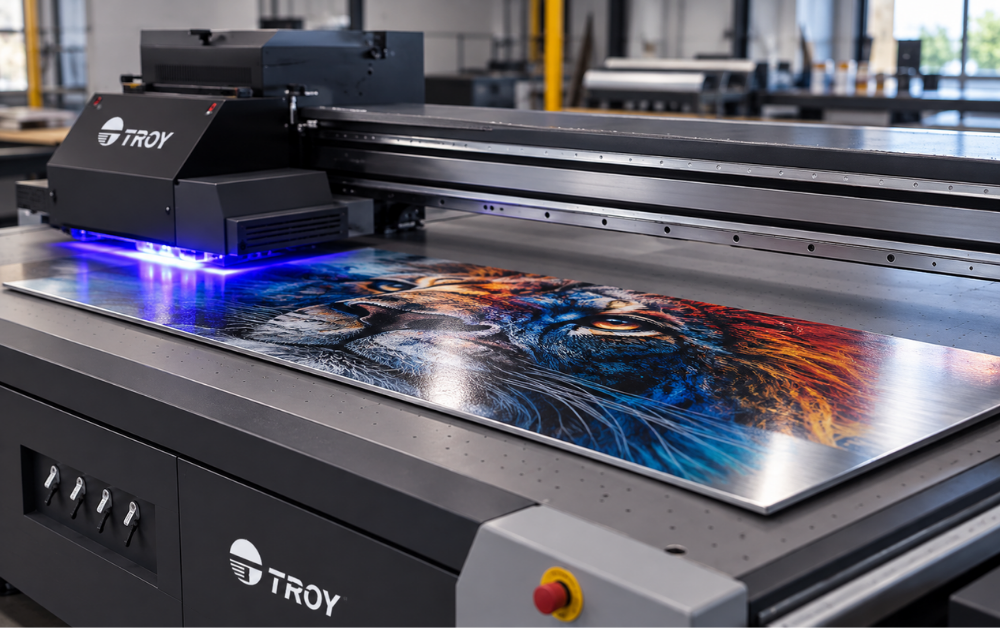
Will UV Ink Stick to Metal? What Manufacturers Should Know

Quick answer: Sometimes. UV ink can adhere well to metal, but whether it does depends on the surface (raw, coated, anodized), how that surface was prepped, the cure conditions,..
Read More

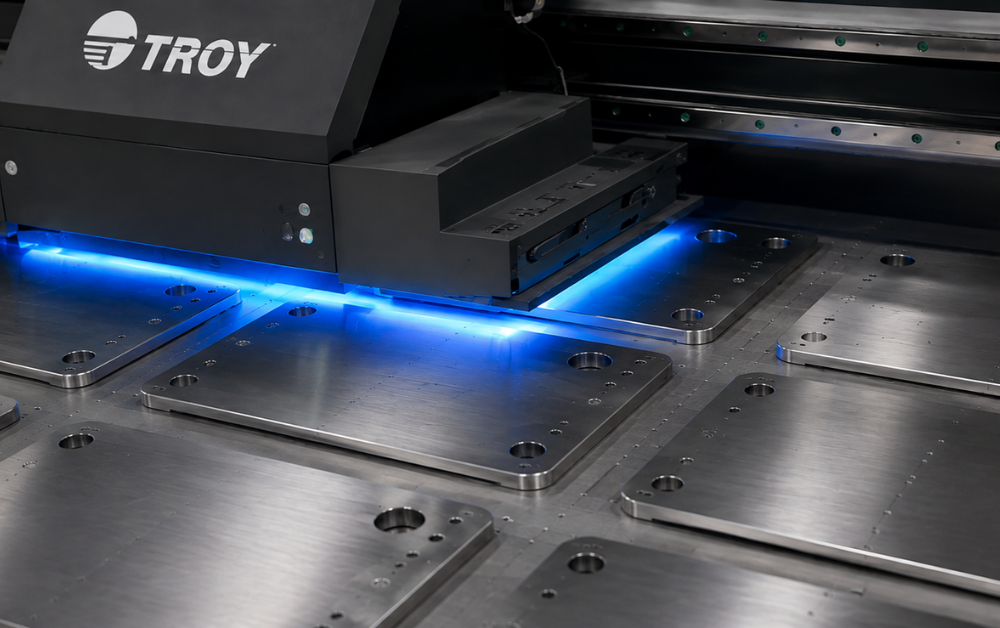
How to Prepare for an Ink and Substrate Application Review
| |

How to Prepare for an Ink and Substrate Application Review

Quick answer: Before asking for an industrial ink recommendation, gather the basics about the job. Know what substrate you're printing on, whether it has a coating or treatment,..
Read More

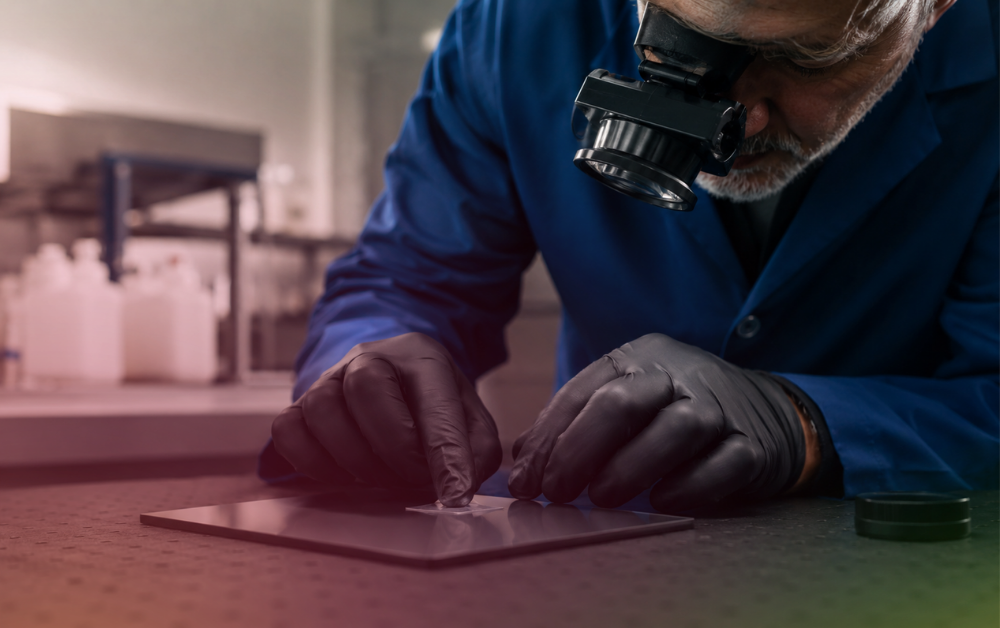
Precision Inspection Under Magnification
| |

Why UV Ink Adhesion Fails on Difficult Substrates

Quick answer: When UV ink does not stick, there usually is not one simple cause. The problem may start with the surface itself. The ink may not wet it properly because of low..

Read More